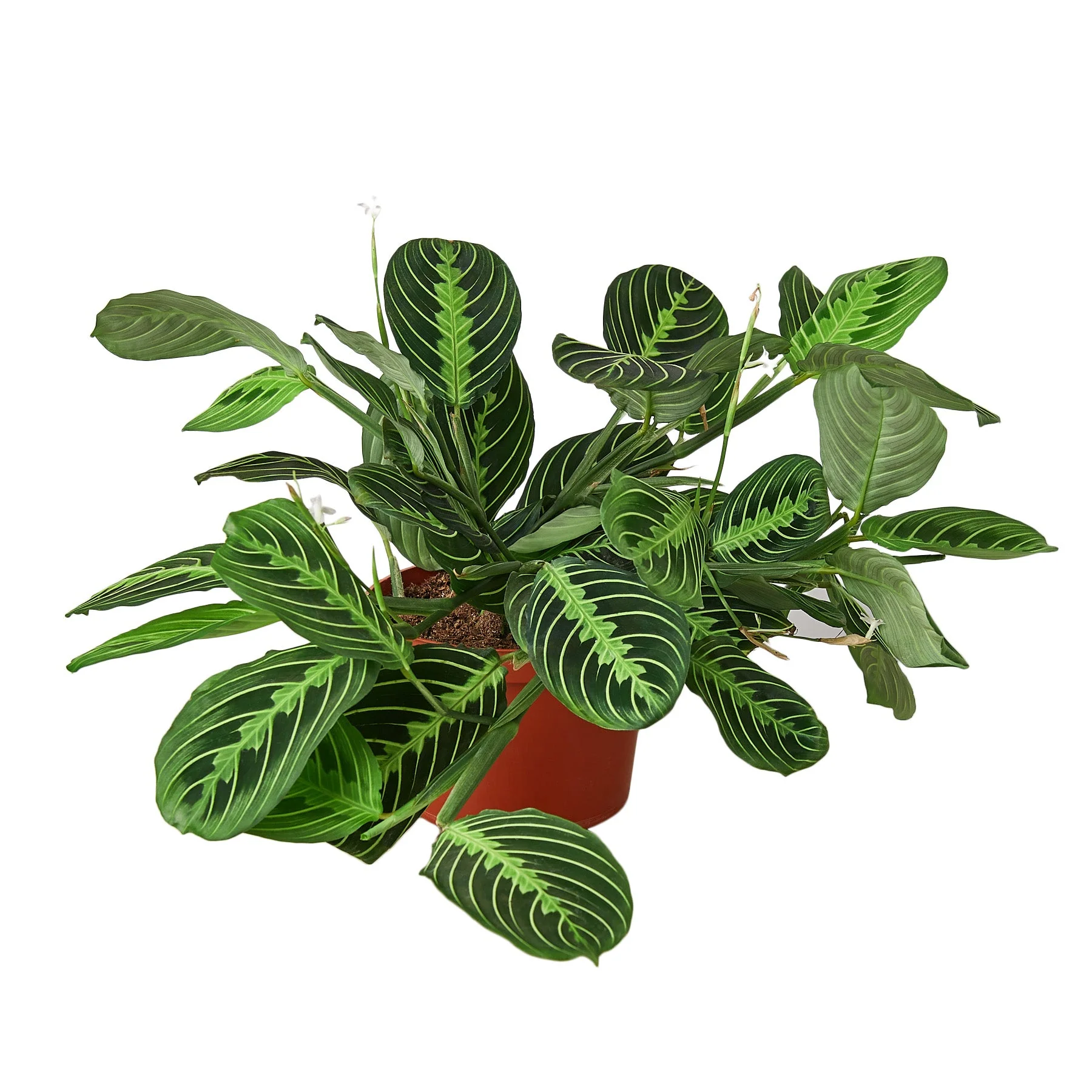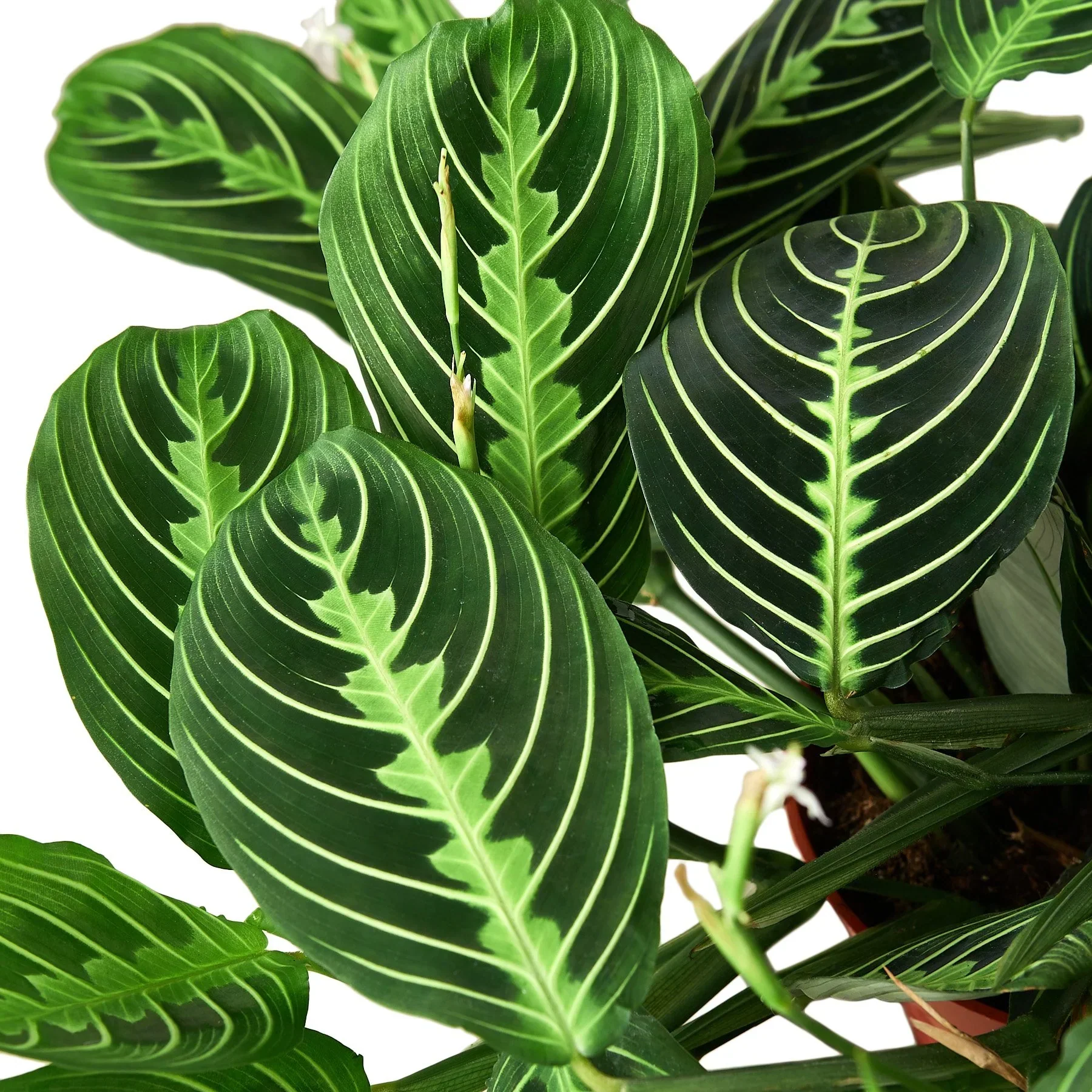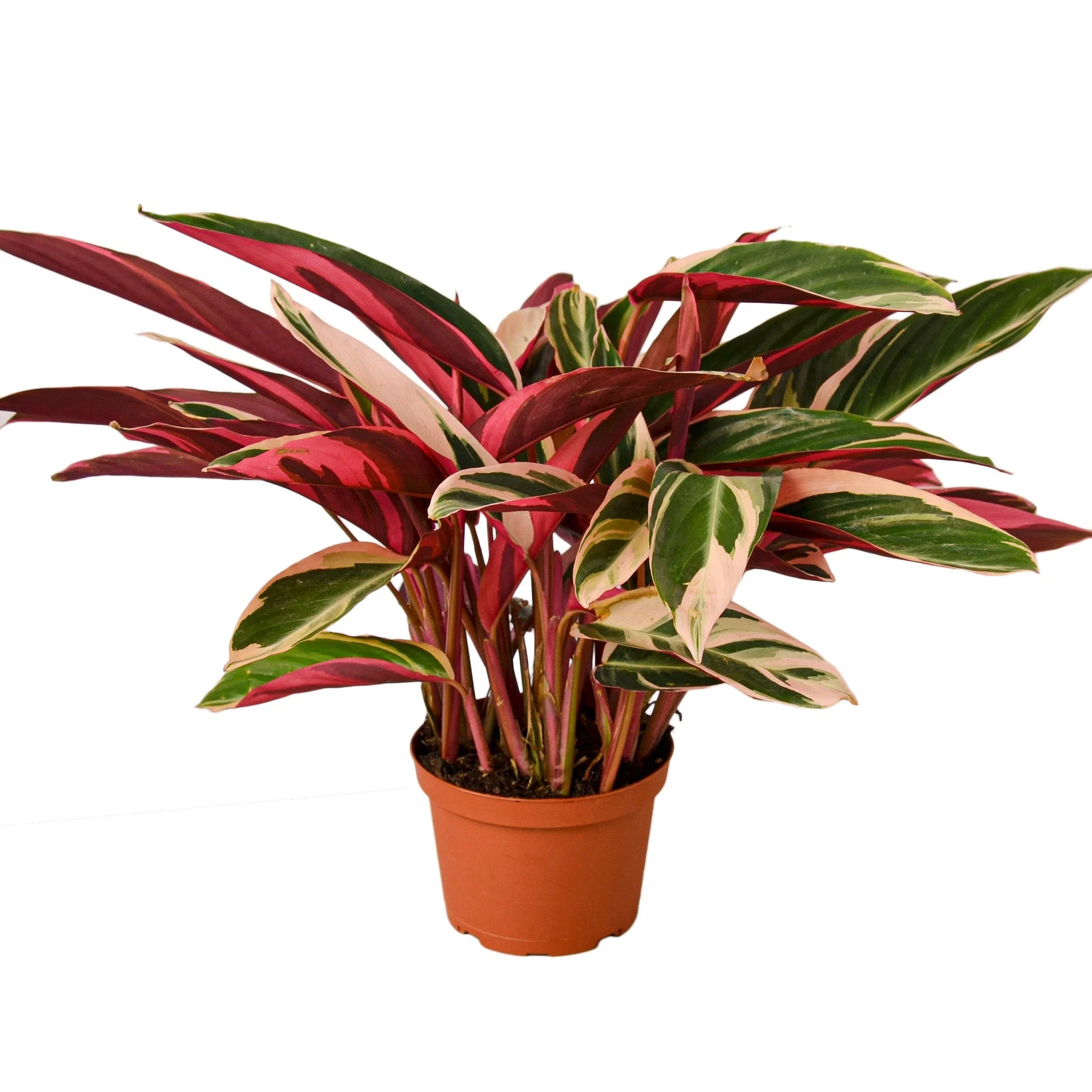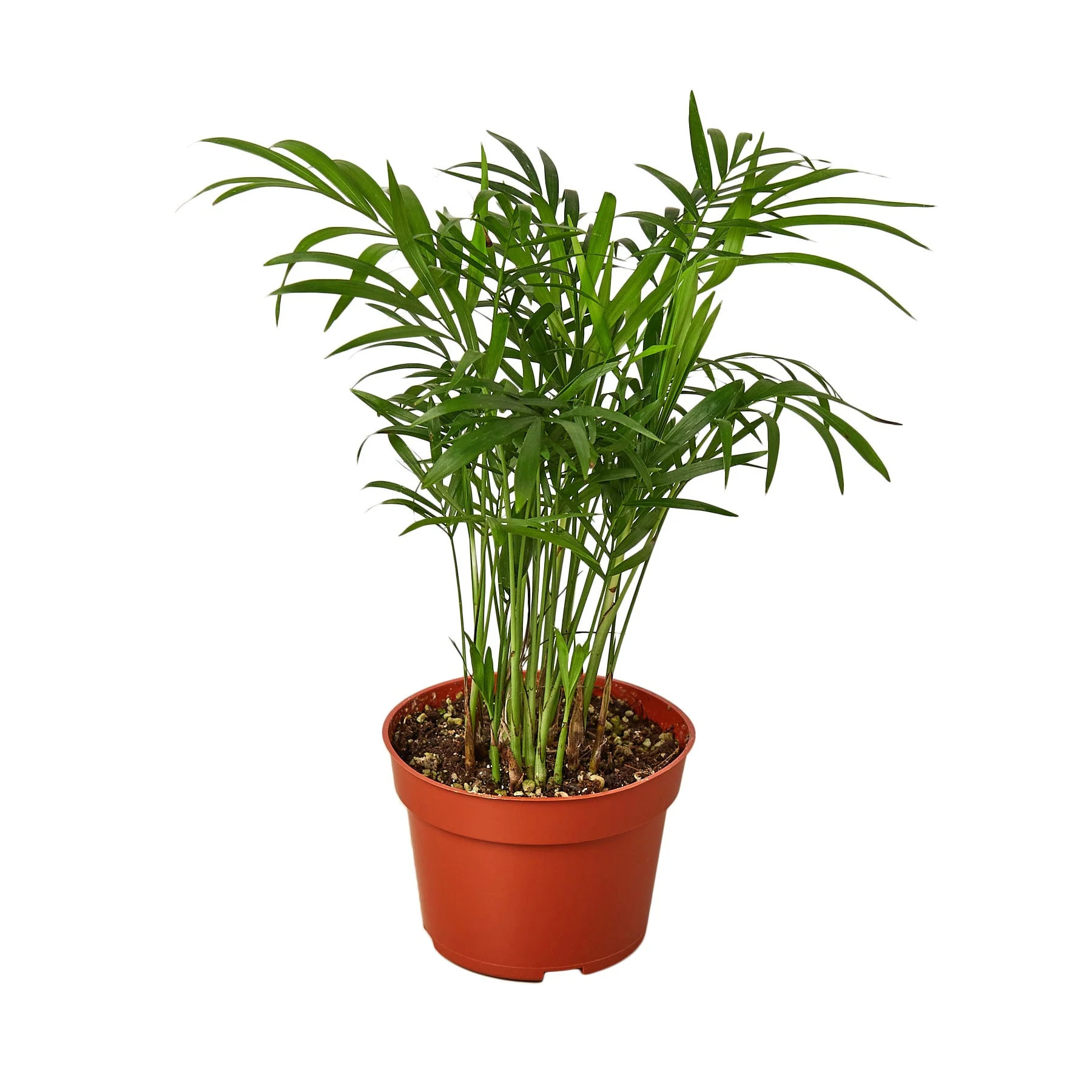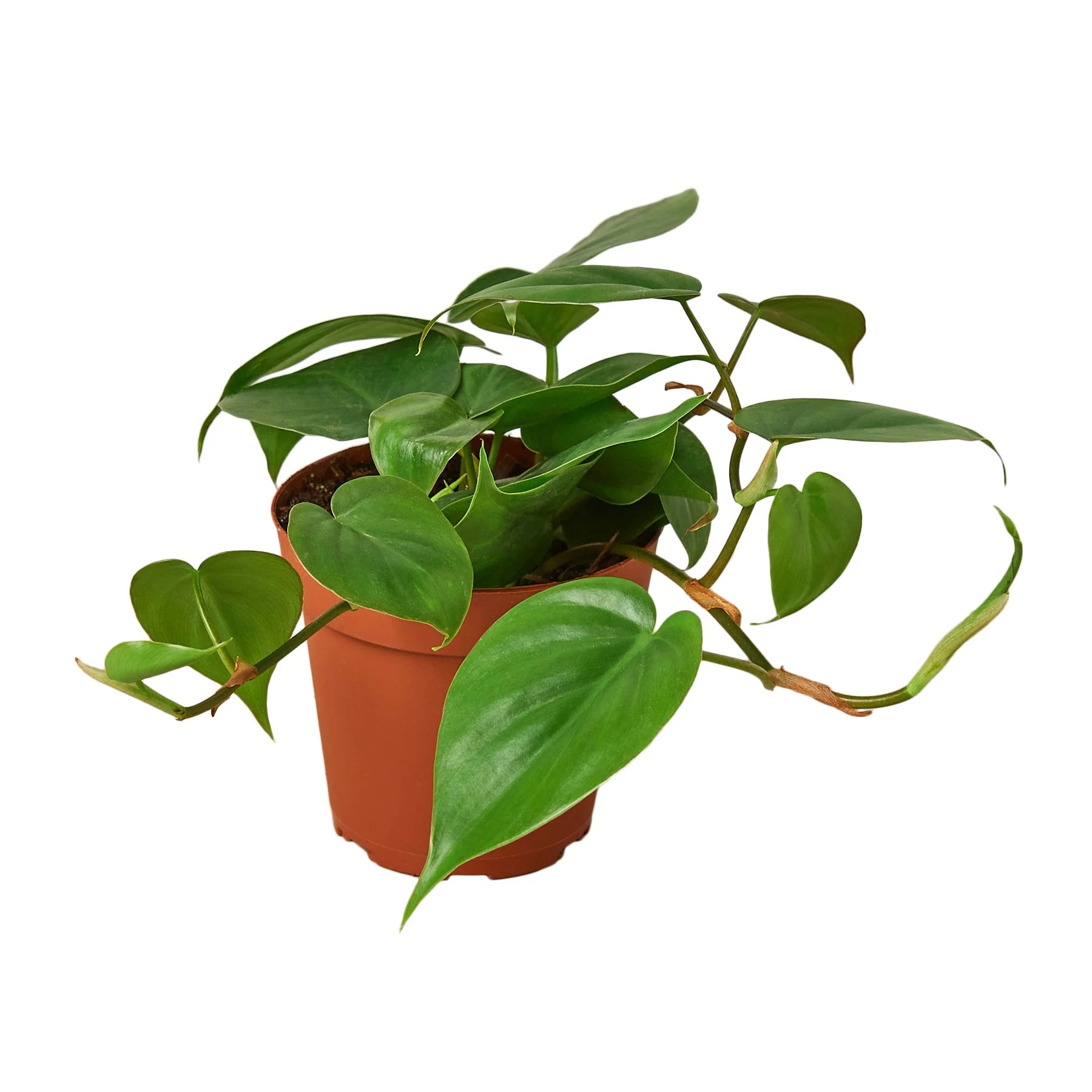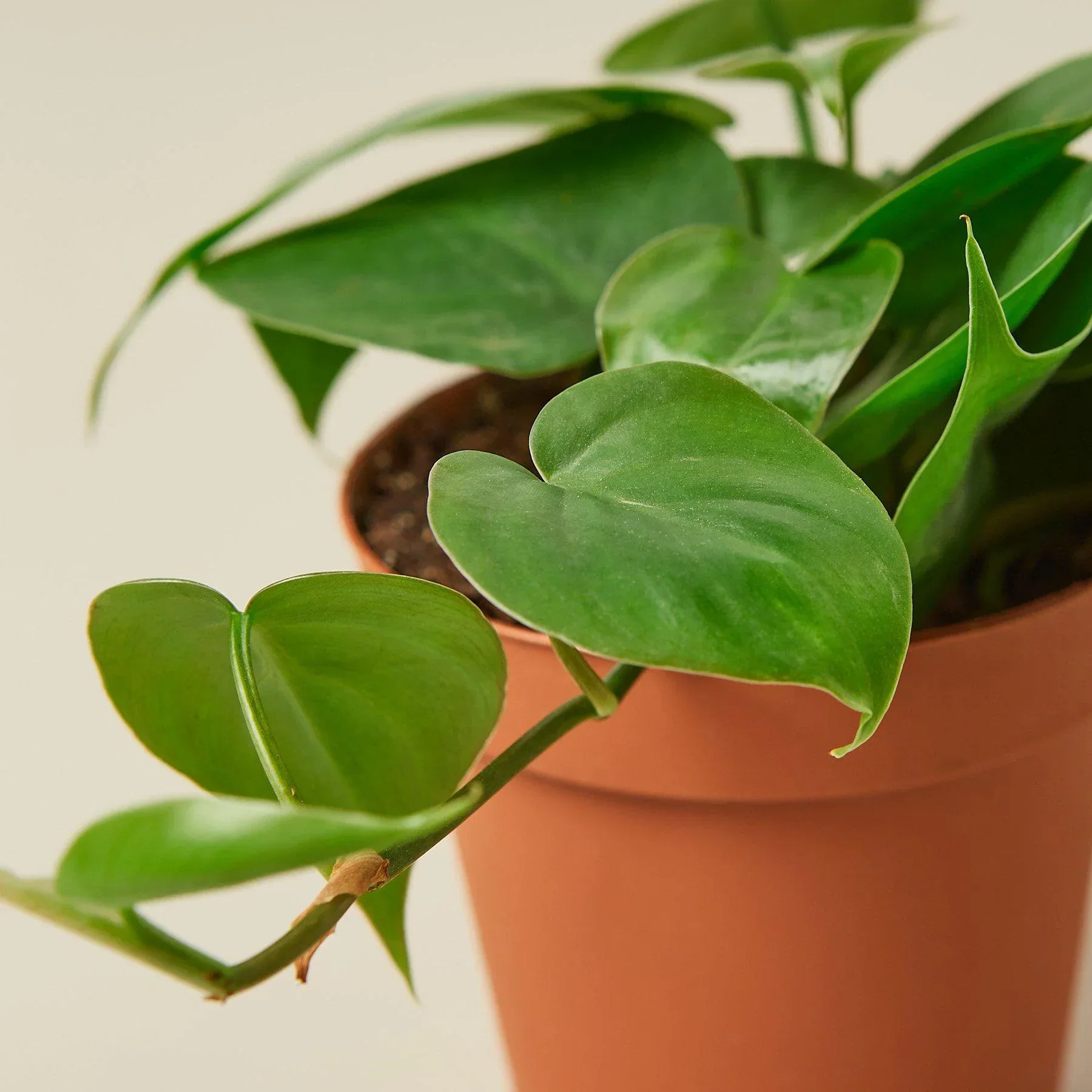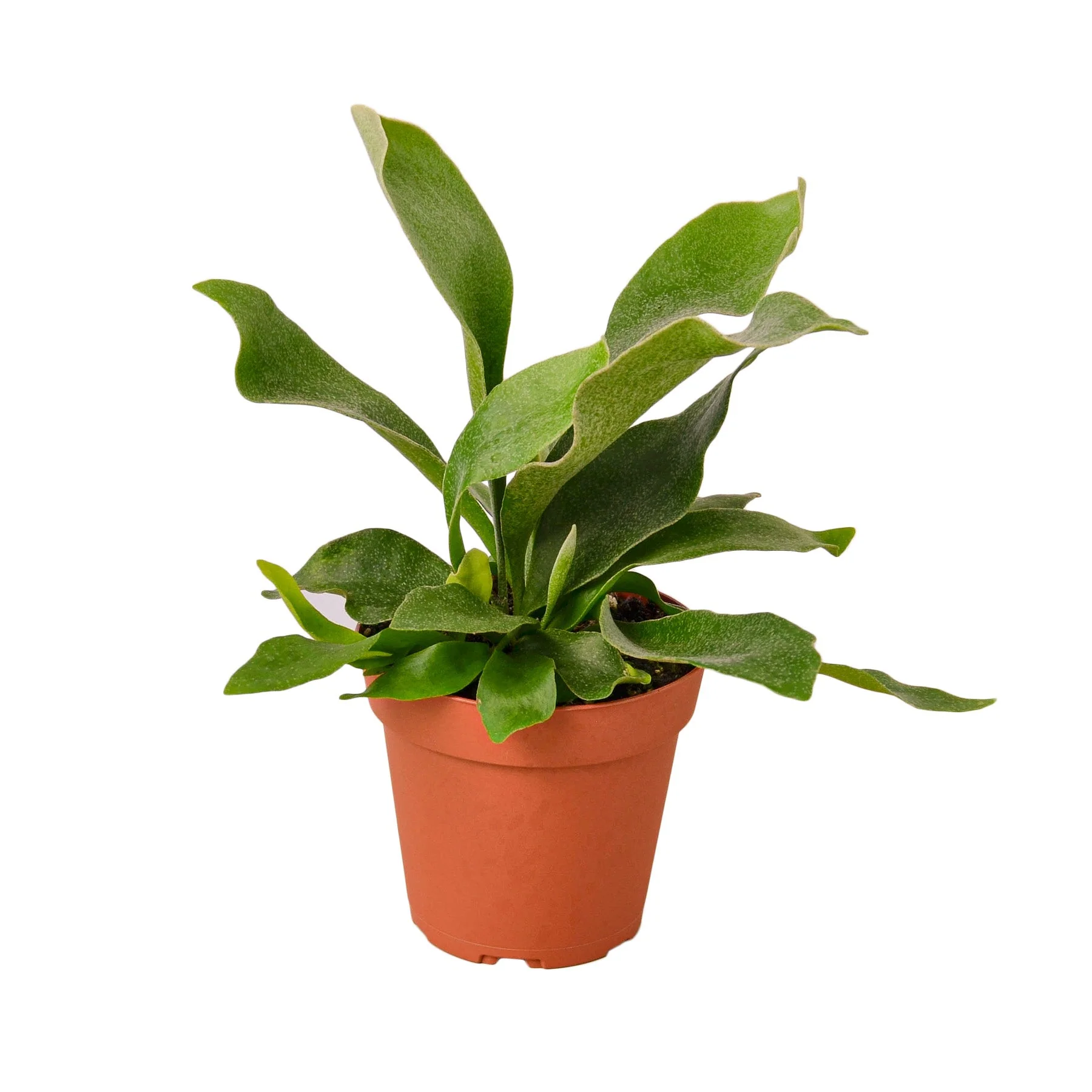
Swiss Cheese Vine (Monstera adansonii)
Curated Indoor Plants — Designed to Pair Beautifully with H Potter
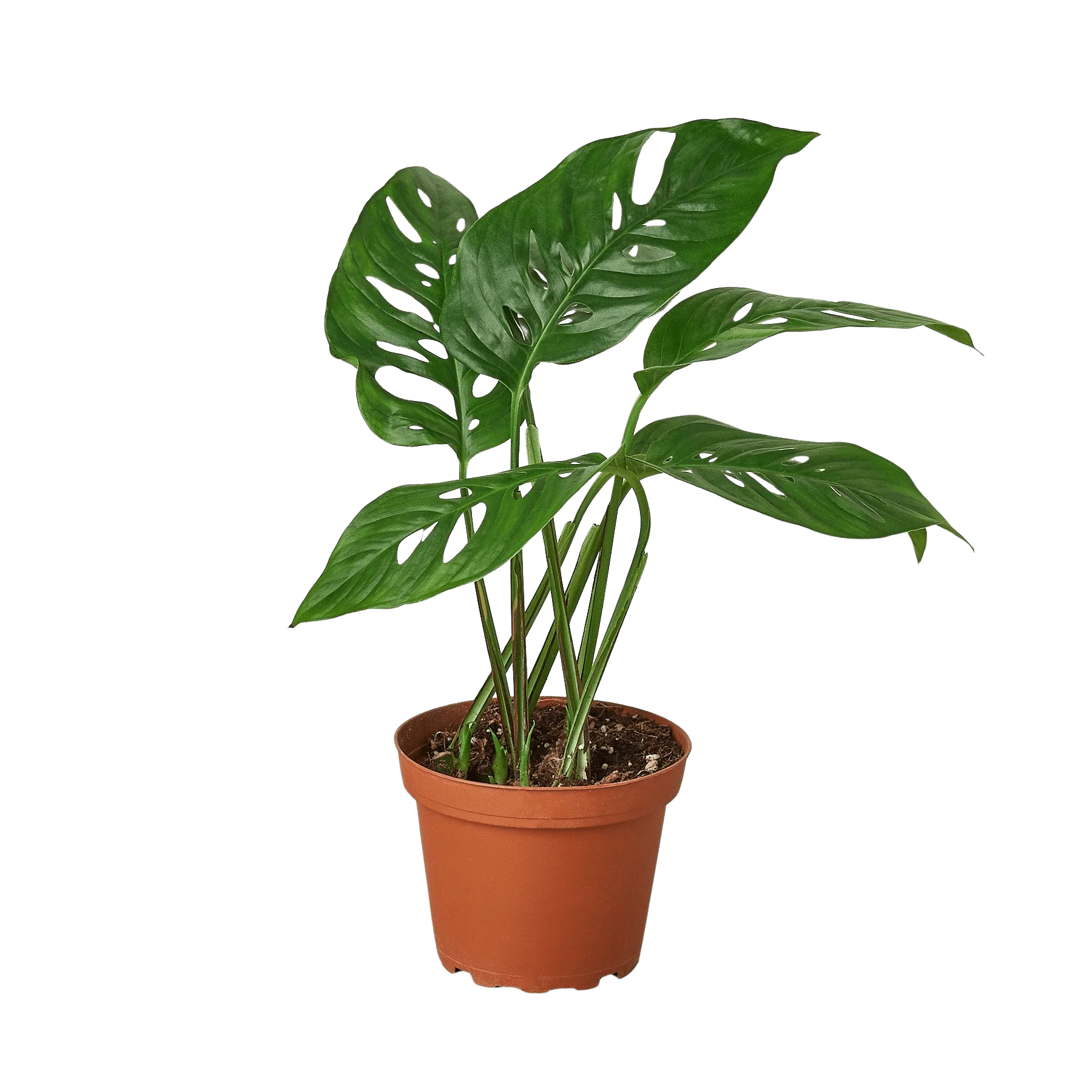
Monstera adansonii—often called Swiss Cheese Vine or Adanson’s Monstera—is loved for its heart-shaped leaves that develop signature “holes” (fenestrations) as the plant matures. Native to South and Central America and part of the Araceae family, it’s an easy-care climber that loves to grow upward on a support—or trail from a shelf for a softer look.
Quick Navigation
- At a Glance
- Care Guide
- 48-Hour Arrival & Unboxing
- Designed to Pair with H Potter
- Shipping & Live Plant Handling
- FAQs
Plant Details
- Botanical name: Monstera adansonii
- Common names: Adanson’s Monstera, Swiss Cheese Vine, Five Holes Plant
- Native range: South & Central America
- Growth habit: Climbing vine (can also trail)
- Signature look: Heart-shaped leaves that develop fenestrations (“holes”)
- Pot sizes: 2", 3", 4", 6", 8"
- Pot style: Nursery Pot
Care at a Glance
- Light: Bright to medium indirect light
- Water: When top soil dries; don’t keep soggy
- Humidity: Moderate to higher is ideal (but adapts)
- Temp: Typical indoor temps; avoid cold drafts
- Difficulty: Easy
- Iconic “Swiss cheese” leaves: Fenestrations add instant texture and personality.
- Easy indoor growth: A great first Monstera for most homes.
- Climbs beautifully: Train upward for a taller, more architectural look.
- Flexible styling: Looks equally good trailing from shelves or climbing on supports.
Light Bright to medium indirect
Place in bright, indirect light to support faster growth and better leaf development. Avoid harsh direct sun on leaves.
Water Let the top soil dry
Water when the top portion of soil feels dry, then let excess drain. Consistent moisture is good—soggy soil is not.
Climbing Encourage upward growth
Give it a stake, trellis, or moss pole to climb. As it climbs, the plant often produces larger leaves with more pronounced fenestrations.
Live plants can look a little travel-worn after shipping. A quick reset helps them acclimate and settle in fast.
| When | What to Do | Why It Helps |
|---|---|---|
| Immediately | Unbox promptly. Remove packing materials gently around stems and leaves. | Prevents bruising and supports airflow. |
| First 2–6 hours | Place in bright, indirect light; avoid direct sun day one. | Reduces stress while it acclimates. |
| First 24 hours | Check soil moisture. If it’s still damp, wait before watering. | Avoids overwatering after transit. |
| Within 48 hours | Water only if the top soil feels dry; let it drain fully. | Supports recovery and steady growth. |
We’re building a curated plant collection intended to pair beautifully with H Potter vessels—especially statement planters and our iconic terrarium designs. Monstera adansonii is a standout in clean cylinders or eco pots, and it looks especially refined when trained upward.
- Explore H Potter terrariums and Wardian cases
- Shop indoor planters and vessels
Live plants are packed with care and ship on a schedule designed to protect plant health in transit. Here’s what our packing process looks like—from soil protection to final presentation—so your plant arrives clean, stable, and ready to enjoy.
We use wood fiber to cover our soil to help prevent soil spillage.
The wood fiber is placed over the soil, right under the foliage.
We then use a plastic bag to cover the planter and wood fiber portion of the plant.
Next we secure it tightly with a zip-tie.
We place the houseplant in a paper bag and secure it with a rubber band.
The paper bag acts as the final cover and is also a nice presentation.
- Shipping regions: We ship within the lower 48 United States
- Weather considerations: Shipments may be delayed when the team determines conditions are too cold for plants to arrive safely
- Delivery timing: Tracking will be provided so you can track your package while it travels
- Live arrival policy: If a plant does not have a safe arrival please text images to 208-640-4206 along with your name and order number
Bring home a Monstera that’s made to climb.
Give it indirect light, a simple watering rhythm, and a support to grow upward—then enjoy those iconic “Swiss cheese” leaves.
Shop Indoor Planters Explore Terrariums
Why does it have “holes” in the leaves?
As Monstera adansonii matures, its leaves develop natural fenestrations (holes). Younger plants may have fewer holes at first.
Is this plant easy to grow?
Yes—Monstera adansonii is considered easy when given indirect light and watered when the top soil dries.
Should I let it trail or climb?
Either works. Climbing on a support often encourages larger leaves and a more architectural look, while trailing creates a softer, cascading style.
Is it safe around pets?
If you have pets or small children, we recommend placing plants out of reach. For pet-specific guidance, consult a veterinary resource for your household.
Is the plant exactly the same as the photos?
Live plants vary naturally. Leaf size, fenestration pattern, and fullness can differ—each plant is unique.
Original: $16.00
-65%$16.00
$5.60Product Information
Product Information
Shipping & Returns
Shipping & Returns
Description
Curated Indoor Plants — Designed to Pair Beautifully with H Potter
Monstera adansonii—often called Swiss Cheese Vine or Adanson’s Monstera—is loved for its heart-shaped leaves that develop signature “holes” (fenestrations) as the plant matures. Native to South and Central America and part of the Araceae family, it’s an easy-care climber that loves to grow upward on a support—or trail from a shelf for a softer look.
Quick Navigation
- At a Glance
- Care Guide
- 48-Hour Arrival & Unboxing
- Designed to Pair with H Potter
- Shipping & Live Plant Handling
- FAQs
Plant Details
- Botanical name: Monstera adansonii
- Common names: Adanson’s Monstera, Swiss Cheese Vine, Five Holes Plant
- Native range: South & Central America
- Growth habit: Climbing vine (can also trail)
- Signature look: Heart-shaped leaves that develop fenestrations (“holes”)
- Pot sizes: 2", 3", 4", 6", 8"
- Pot style: Nursery Pot
Care at a Glance
- Light: Bright to medium indirect light
- Water: When top soil dries; don’t keep soggy
- Humidity: Moderate to higher is ideal (but adapts)
- Temp: Typical indoor temps; avoid cold drafts
- Difficulty: Easy
- Iconic “Swiss cheese” leaves: Fenestrations add instant texture and personality.
- Easy indoor growth: A great first Monstera for most homes.
- Climbs beautifully: Train upward for a taller, more architectural look.
- Flexible styling: Looks equally good trailing from shelves or climbing on supports.
Light Bright to medium indirect
Place in bright, indirect light to support faster growth and better leaf development. Avoid harsh direct sun on leaves.
Water Let the top soil dry
Water when the top portion of soil feels dry, then let excess drain. Consistent moisture is good—soggy soil is not.
Climbing Encourage upward growth
Give it a stake, trellis, or moss pole to climb. As it climbs, the plant often produces larger leaves with more pronounced fenestrations.
Live plants can look a little travel-worn after shipping. A quick reset helps them acclimate and settle in fast.
| When | What to Do | Why It Helps |
|---|---|---|
| Immediately | Unbox promptly. Remove packing materials gently around stems and leaves. | Prevents bruising and supports airflow. |
| First 2–6 hours | Place in bright, indirect light; avoid direct sun day one. | Reduces stress while it acclimates. |
| First 24 hours | Check soil moisture. If it’s still damp, wait before watering. | Avoids overwatering after transit. |
| Within 48 hours | Water only if the top soil feels dry; let it drain fully. | Supports recovery and steady growth. |
We’re building a curated plant collection intended to pair beautifully with H Potter vessels—especially statement planters and our iconic terrarium designs. Monstera adansonii is a standout in clean cylinders or eco pots, and it looks especially refined when trained upward.
- Explore H Potter terrariums and Wardian cases
- Shop indoor planters and vessels
Live plants are packed with care and ship on a schedule designed to protect plant health in transit. Here’s what our packing process looks like—from soil protection to final presentation—so your plant arrives clean, stable, and ready to enjoy.
We use wood fiber to cover our soil to help prevent soil spillage.
The wood fiber is placed over the soil, right under the foliage.
We then use a plastic bag to cover the planter and wood fiber portion of the plant.
Next we secure it tightly with a zip-tie.
We place the houseplant in a paper bag and secure it with a rubber band.
The paper bag acts as the final cover and is also a nice presentation.
- Shipping regions: We ship within the lower 48 United States
- Weather considerations: Shipments may be delayed when the team determines conditions are too cold for plants to arrive safely
- Delivery timing: Tracking will be provided so you can track your package while it travels
- Live arrival policy: If a plant does not have a safe arrival please text images to 208-640-4206 along with your name and order number
Bring home a Monstera that’s made to climb.
Give it indirect light, a simple watering rhythm, and a support to grow upward—then enjoy those iconic “Swiss cheese” leaves.
Shop Indoor Planters Explore Terrariums
Why does it have “holes” in the leaves?
As Monstera adansonii matures, its leaves develop natural fenestrations (holes). Younger plants may have fewer holes at first.
Is this plant easy to grow?
Yes—Monstera adansonii is considered easy when given indirect light and watered when the top soil dries.
Should I let it trail or climb?
Either works. Climbing on a support often encourages larger leaves and a more architectural look, while trailing creates a softer, cascading style.
Is it safe around pets?
If you have pets or small children, we recommend placing plants out of reach. For pet-specific guidance, consult a veterinary resource for your household.
Is the plant exactly the same as the photos?
Live plants vary naturally. Leaf size, fenestration pattern, and fullness can differ—each plant is unique.