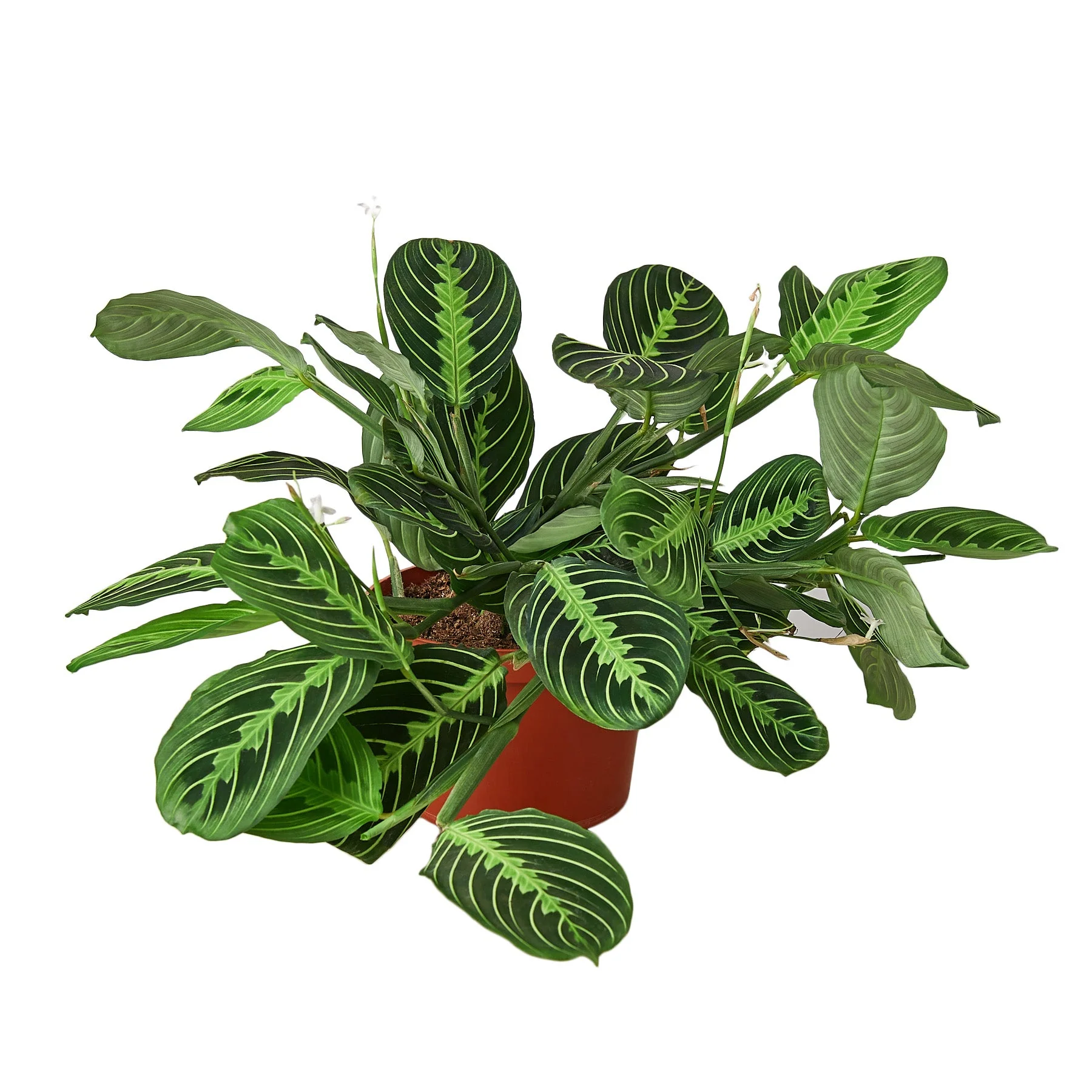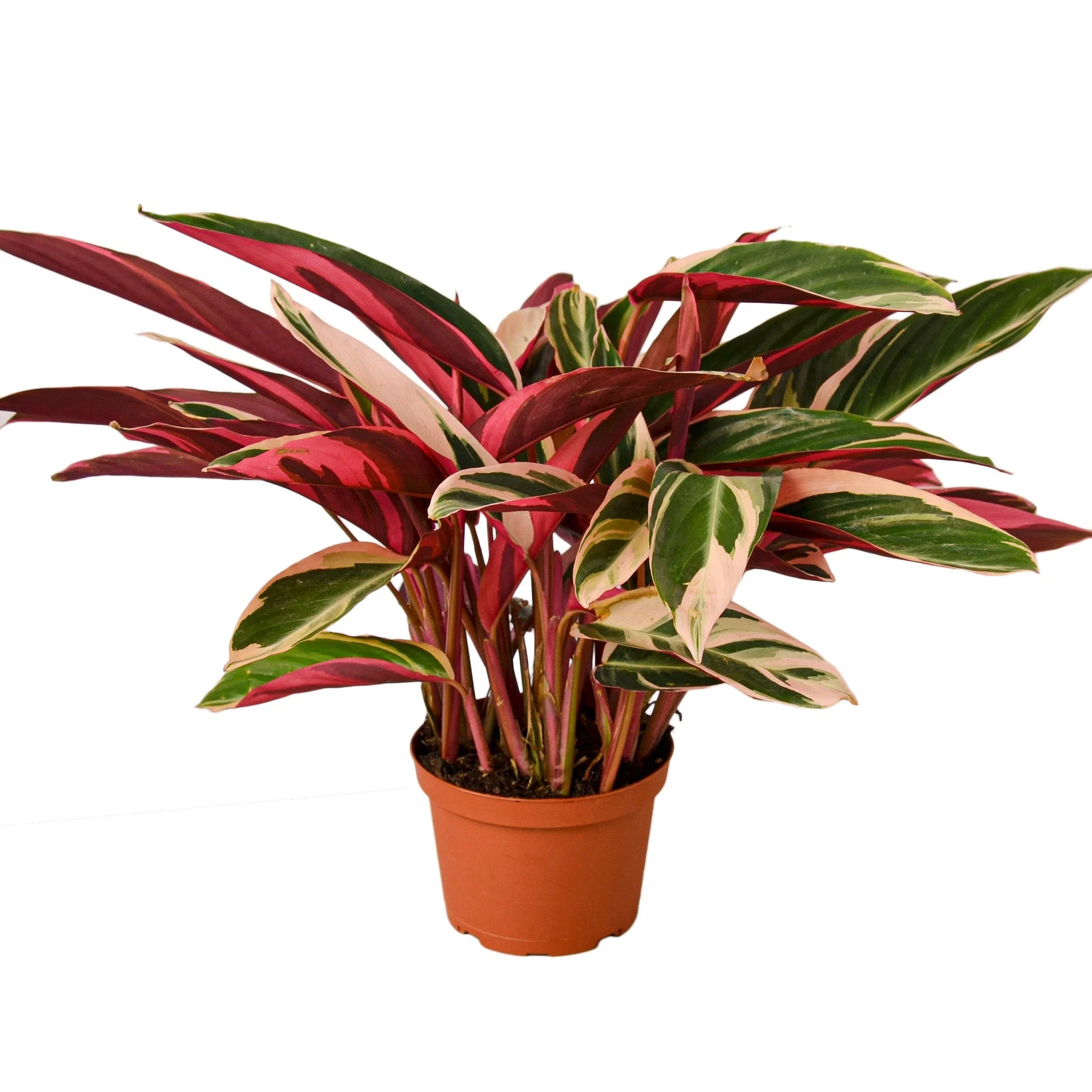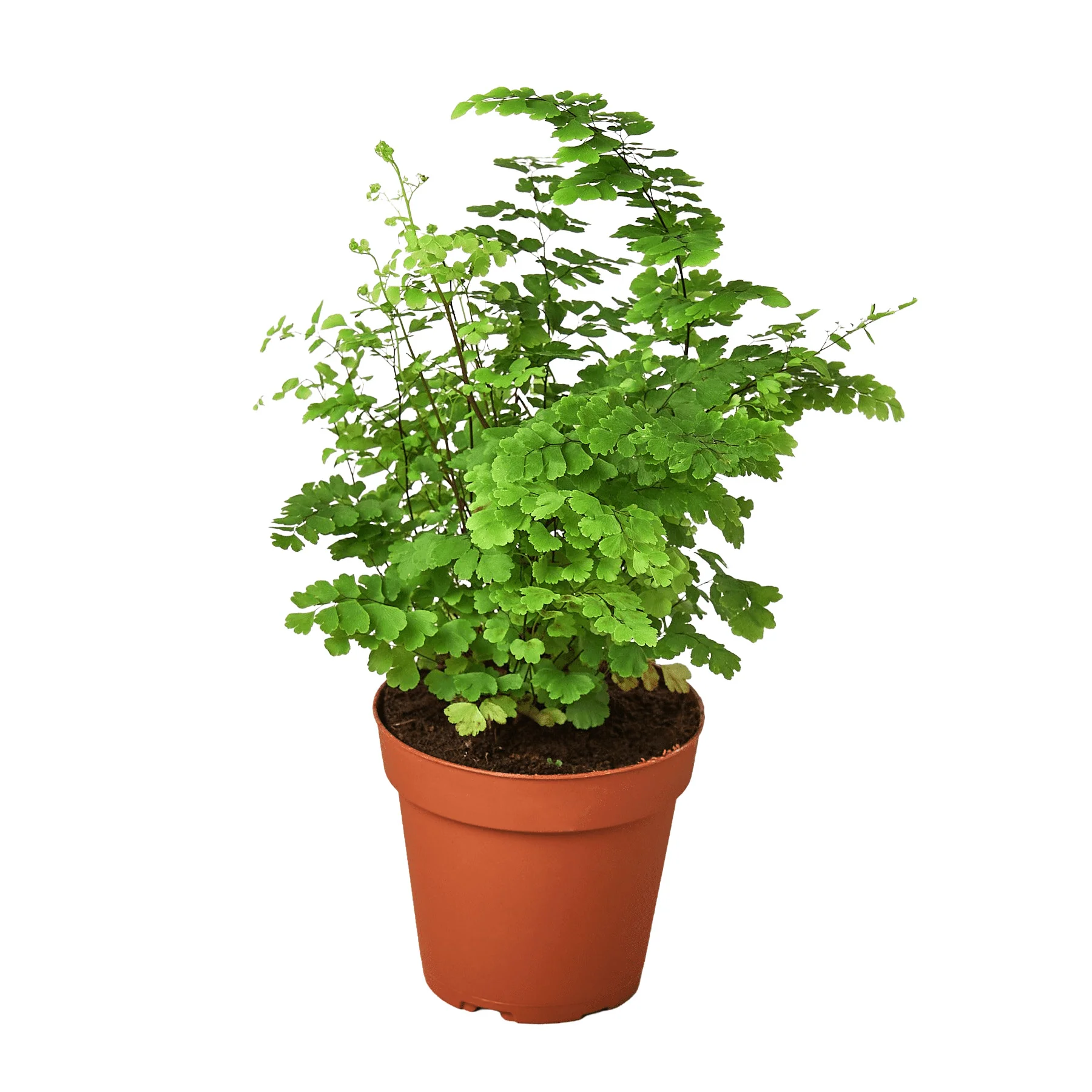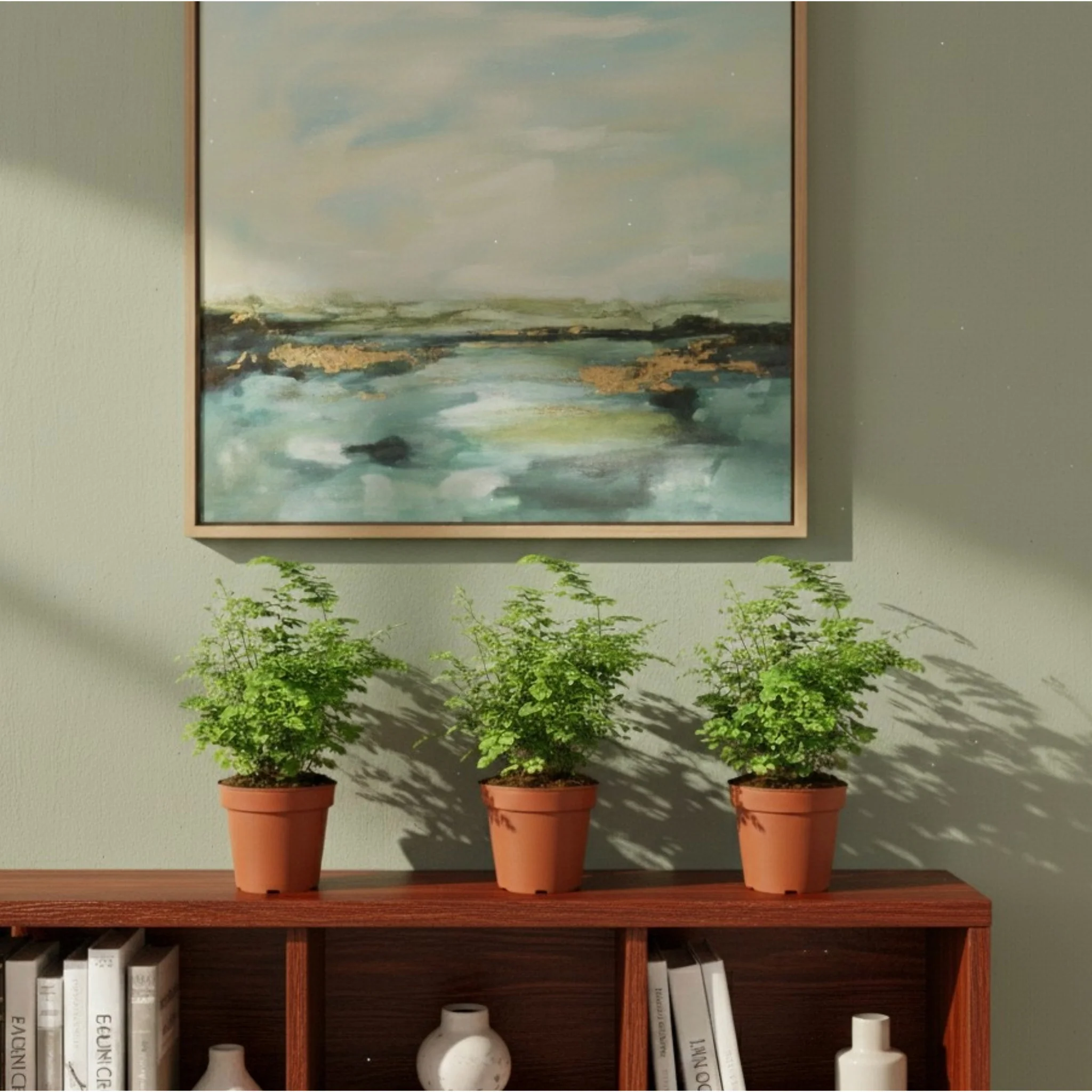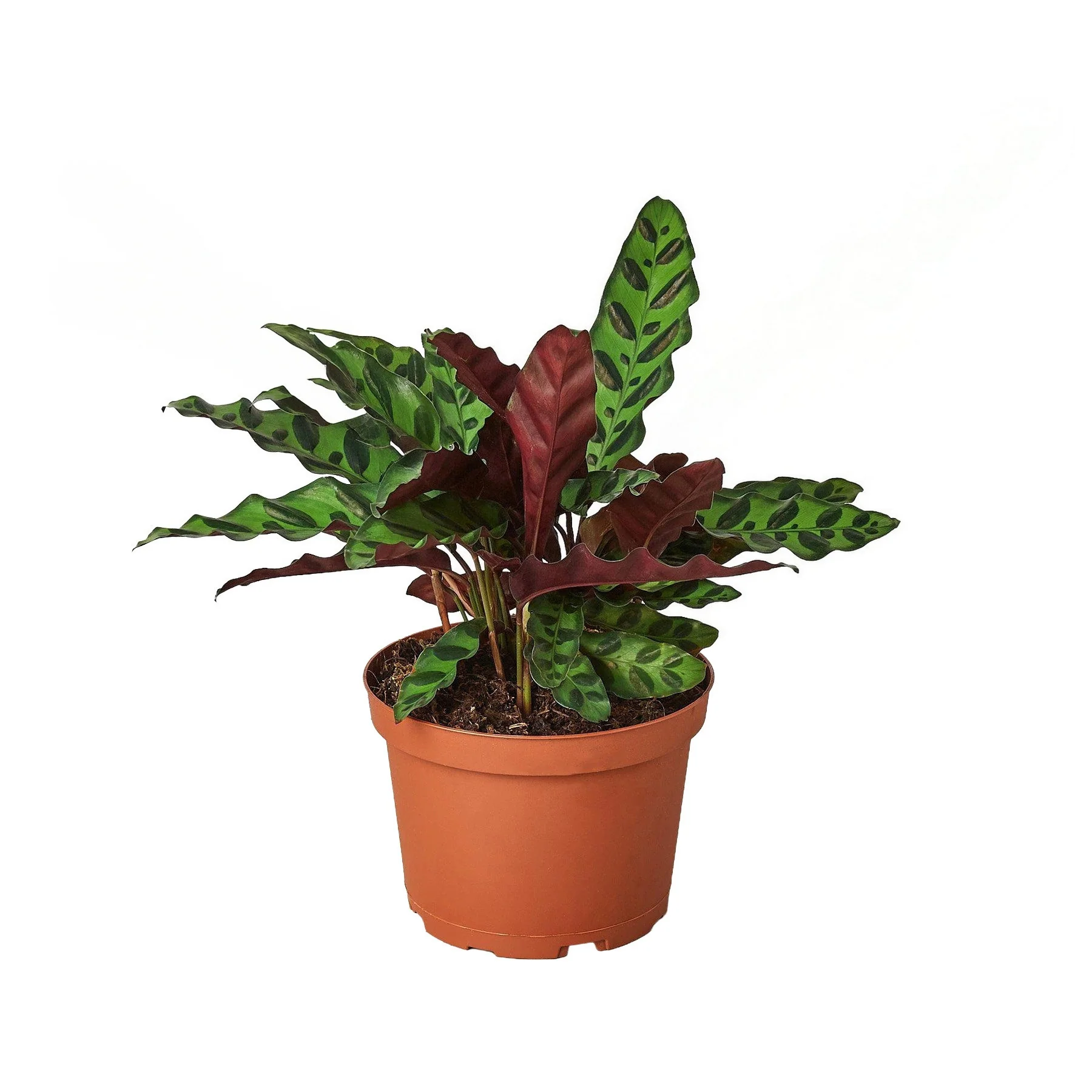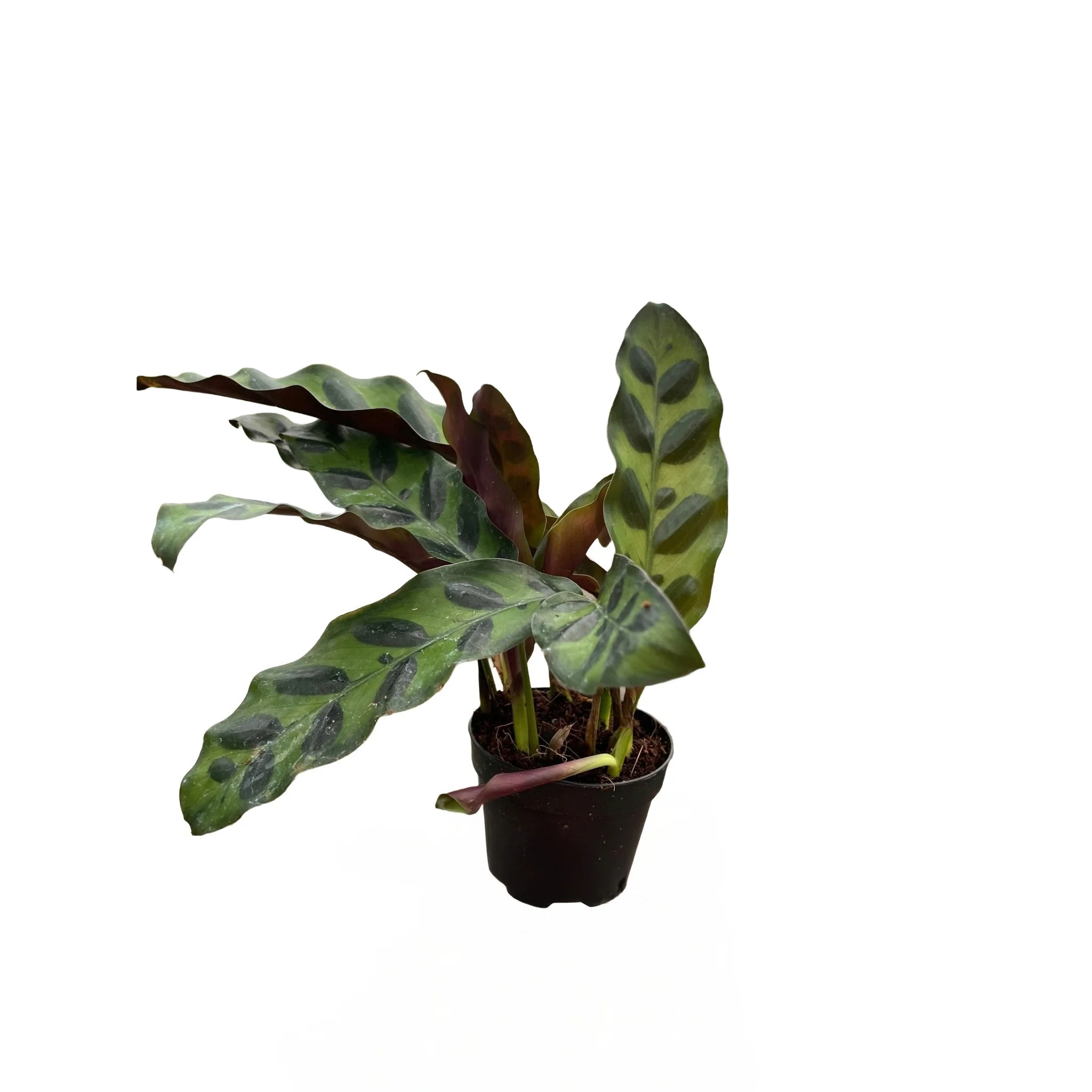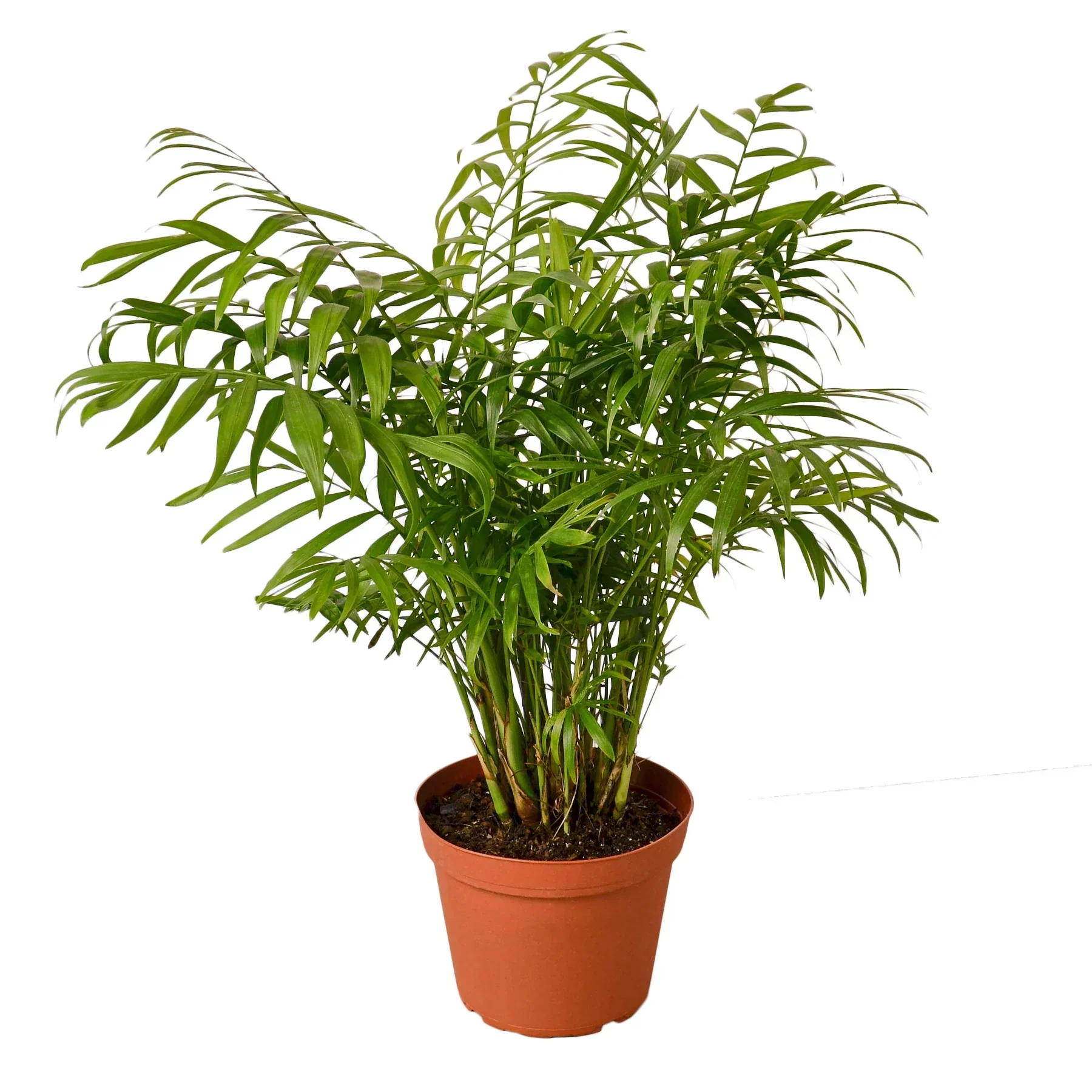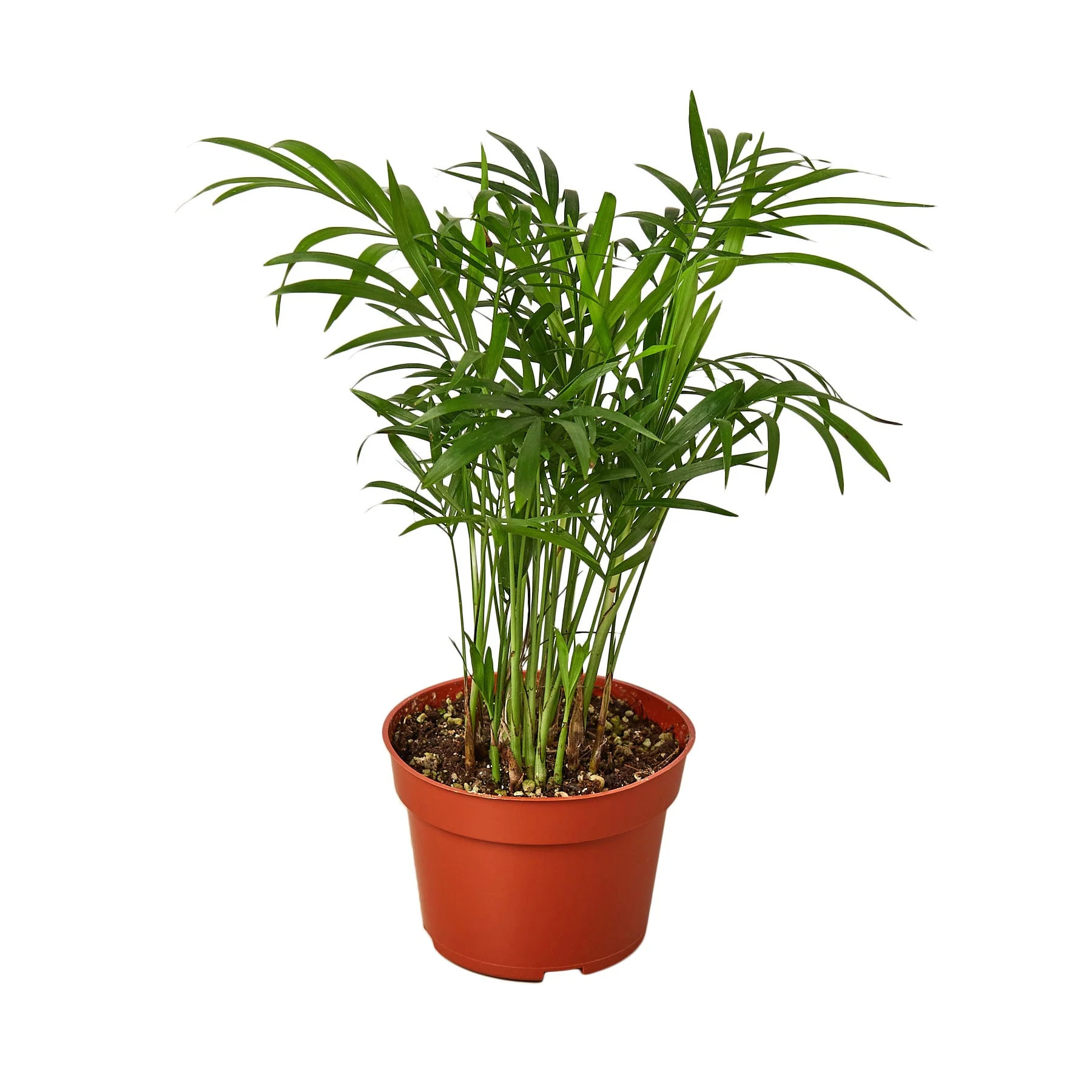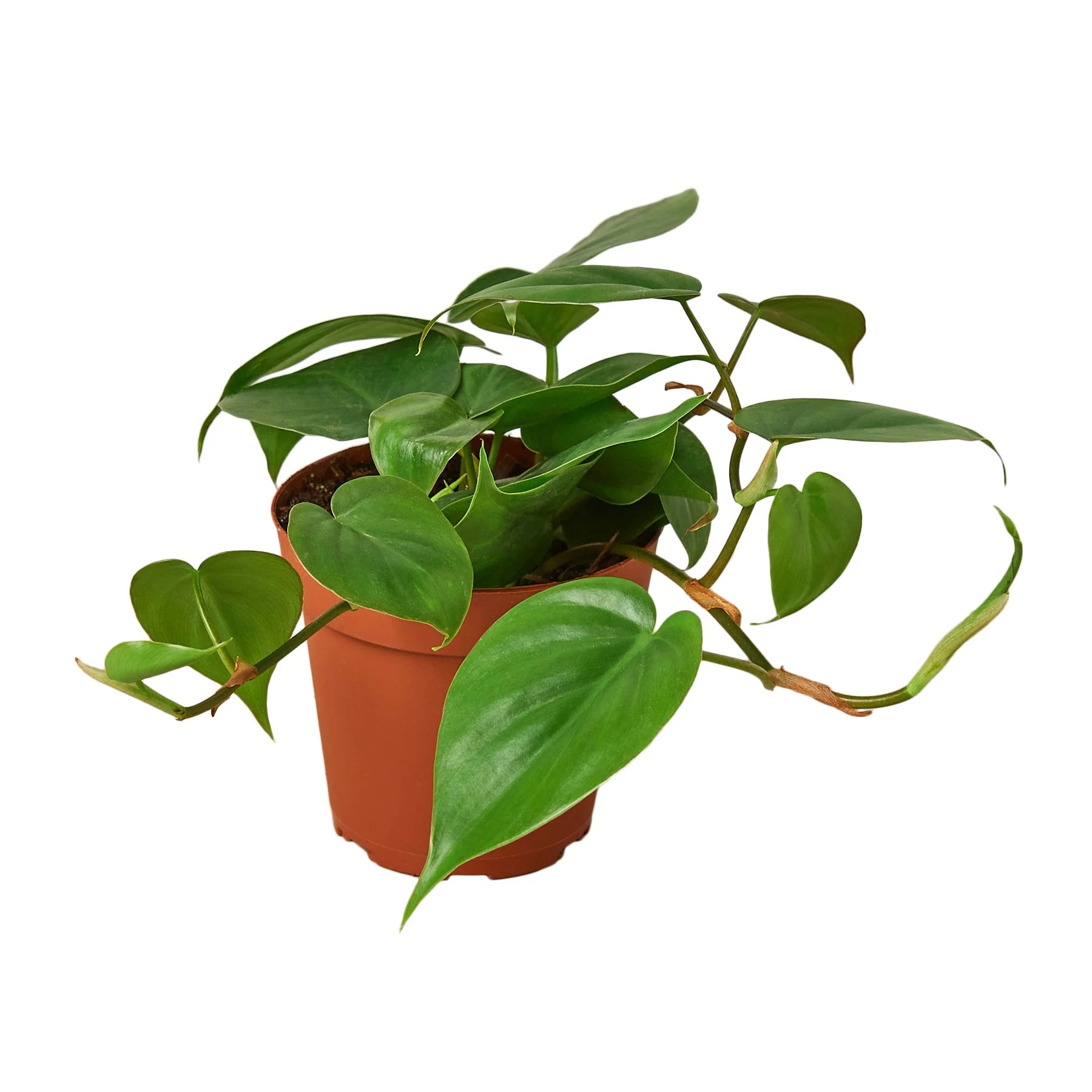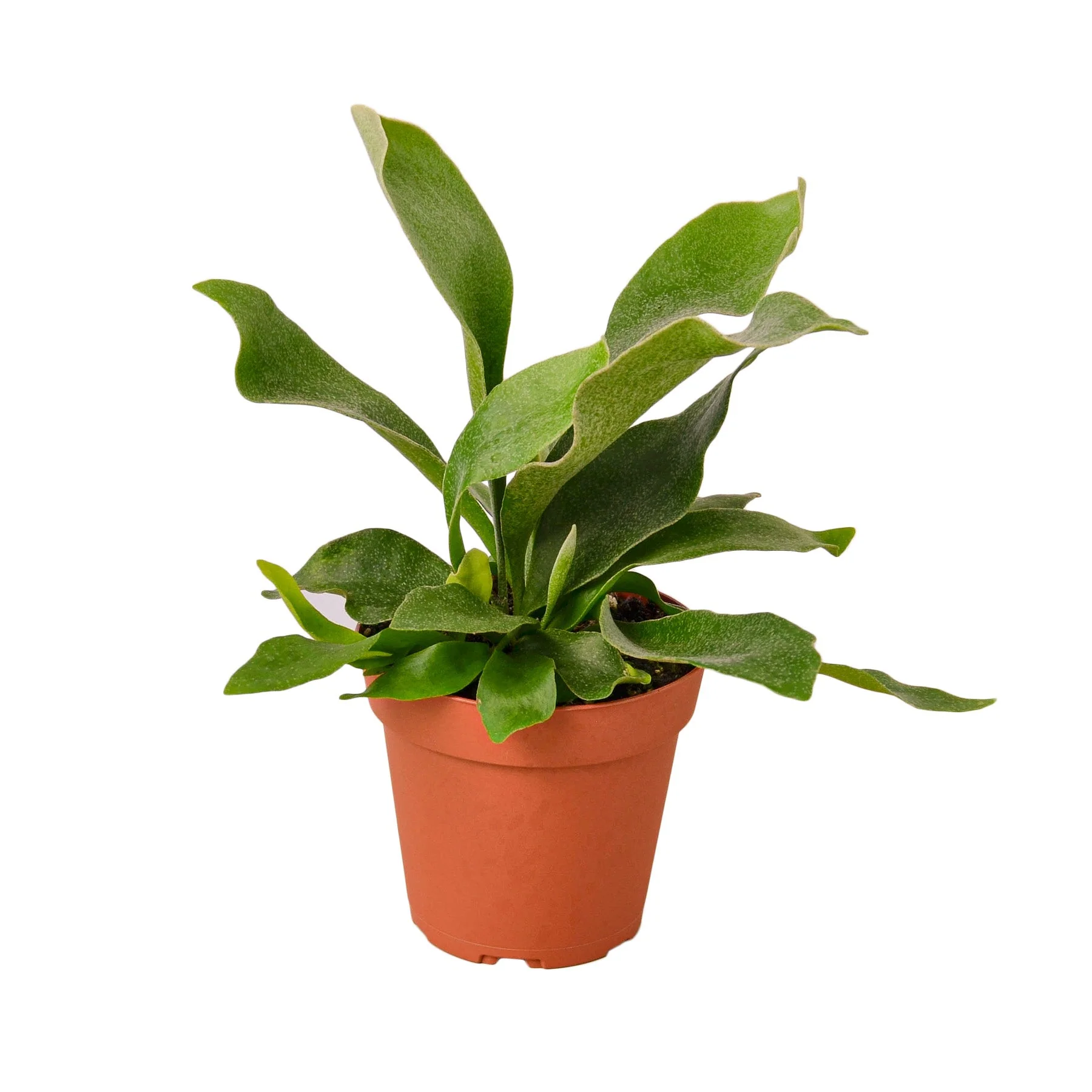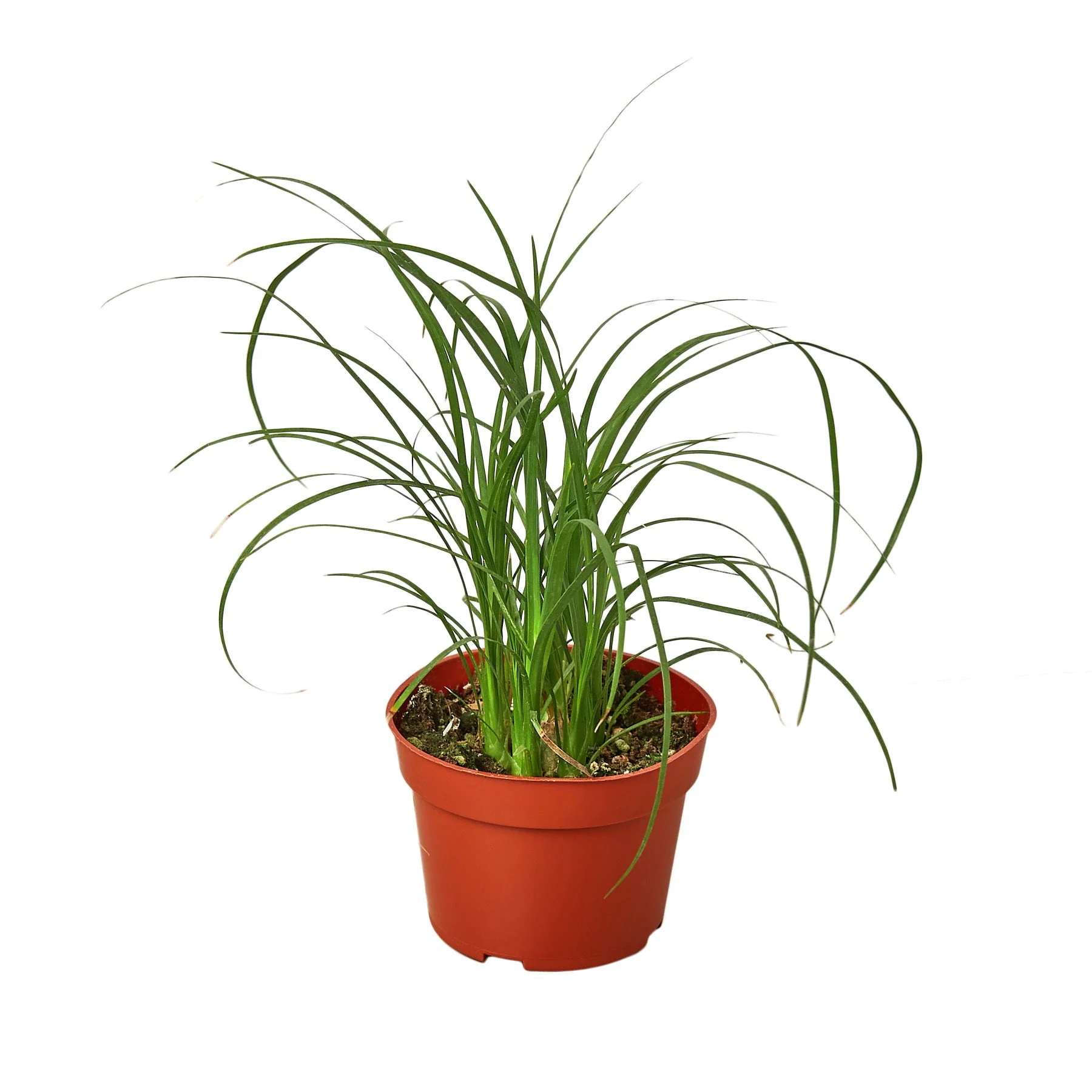
Ponytail Palm (Beaucarnea recurvata)
Curated Indoor Plants — Designed to Pair Beautifully with H Potter
Ponytail Palm curated by H Potter—an easy-care indoor plant with a water-storing trunk and arching leaves. Available in 3" to 10" nursery pots.
Despite the name, the Ponytail Palm isn’t a true palm—it’s a sculptural, drought-tolerant indoor plant loved for its playful “ponytail” leaves and distinctive swollen trunk that stores water. Native to eastern Mexico, it’s a favorite for modern spaces because it thrives with minimal fuss and looks finished on consoles, shelves, desktops, and bright corners.
Quick Navigation
- At a Glance
- Care Guide
- 48-Hour Arrival & Unboxing
- Designed to Pair with H Potter
- Shipping & Live Plant Handling
- FAQs
Plant Details
- Botanical name: Beaucarnea recurvata
- Common name: Ponytail Palm
- Origin: Eastern Mexico
- Nursery pot size options: 3", 4", 6", 8", 10" nursery pots (as available)
- Growth note: Can become very large over time in ideal conditions (often grown as a slow-growing indoor specimen)
- Signature feature: Swollen trunk (water storage) + arching “ponytail” foliage
Care at a Glance
- Light: Bright, indirect light (tolerates some direct sun)
- Water: Let soil dry out well between waterings
- Humidity: Average indoor humidity
- Temp: Typical indoor temps; avoid cold drafts
- Difficulty: Very easy / drought-tolerant
- Architectural shape: The bulb trunk + flowing leaves make it an instant focal point.
- Easy-care favorite: Great for busy homes and offices thanks to drought tolerance.
- Size options: Choose a small desk plant or a larger statement piece as available.
- Long-term plant: A slow-growing indoor companion that can live for years with simple care.
Light Bright light is best
Place in bright, indirect light. It can handle some direct sun, especially morning sun, but avoid intense afternoon sun through hot windows.
Water Let it dry out well
Allow the soil to dry out significantly between waterings, then water thoroughly and let excess drain. The water-storing trunk means it prefers less frequent watering.
Soil Drainage matters
Use a well-draining mix and a pot with drainage holes. Soggy soil is the fastest way to stress roots.
Temperature Keep it comfortable
Typical indoor temperatures are ideal. Avoid cold drafts and letting the plant sit against cold glass in winter.
Live plants may look a little travel-worn after shipping. A quick reset helps your Ponytail Palm settle in smoothly.
| When | What to Do | Why It Helps |
|---|---|---|
| Immediately | Unbox promptly and remove packing materials. | Prevents pressure marks and lets the plant breathe. |
| First 2–6 hours | Place in bright, indirect light. | Reduces stress while acclimating. |
| First 24 hours | Check soil moisture; wait if soil is still moist. | Avoids accidental overwatering after transit. |
| Within 48 hours | Water only if soil is fully dry; drain fully. | Supports recovery without stressing roots. |
We’re building a curated plant collection intended to pair beautifully with H Potter styling—especially statement planters and indoor pieces that feel finished and architectural.
- Shop H Potter planters for refined indoor styling
- Explore H Potter terrariums & Wardian cases
Live plants are packed with care and ship on a schedule designed to protect plant health in transit.
We use wood fiber to cover soil to help prevent spillage.
Wood fiber is placed under the foliage.
We cover the planter and soil area with a protective plastic sleeve.
We secure it tightly with a zip-tie.
We place the plant in a paper bag and secure it.
The paper bag provides a clean presentation and added protection.
- Shipping regions: Lower 48 United States
- Weather considerations: We may delay shipping in extreme cold to protect plant health
- Tracking: Tracking details are provided once your order ships
- Live arrival policy: If a plant does not have a safe arrival, please text images to 208-640-4206 along with your name and order number
Bring home a sculptural plant that thrives on simplicity.
Choose your size, give it bright light, and water only when it’s truly dry—your Ponytail Palm will reward you for years.
Shop Indoor Planters Explore Terrariums
Is a Ponytail Palm actually a palm?
No—despite the name, it isn’t a true palm. It’s valued for its water-storing trunk and arching “ponytail” foliage.
How often should I water it?
Let the soil dry out well between waterings, then water thoroughly and let it drain. Overwatering is the most common issue.
What light does it prefer?
Bright, indirect light is ideal. It can tolerate some direct sun, especially morning sun.
Do you offer multiple pot sizes?
Yes. As inventory allows, this plant may be available in 3", 4", 6", 8", or 10" nursery pots.
Will my plant look exactly like the photos?
Live plants vary naturally. Trunk shape, leaf length, and overall form can differ slightly—each plant is unique.
Is it safe around pets?
If you have pets or small children, we recommend placing plants out of reach. For pet-specific guidance, consult a veterinary resource for your household.
Original: $21.50
-65%$21.50
$7.52Product Information
Product Information
Shipping & Returns
Shipping & Returns
Description
Curated Indoor Plants — Designed to Pair Beautifully with H Potter
Ponytail Palm curated by H Potter—an easy-care indoor plant with a water-storing trunk and arching leaves. Available in 3" to 10" nursery pots.
Despite the name, the Ponytail Palm isn’t a true palm—it’s a sculptural, drought-tolerant indoor plant loved for its playful “ponytail” leaves and distinctive swollen trunk that stores water. Native to eastern Mexico, it’s a favorite for modern spaces because it thrives with minimal fuss and looks finished on consoles, shelves, desktops, and bright corners.
Quick Navigation
- At a Glance
- Care Guide
- 48-Hour Arrival & Unboxing
- Designed to Pair with H Potter
- Shipping & Live Plant Handling
- FAQs
Plant Details
- Botanical name: Beaucarnea recurvata
- Common name: Ponytail Palm
- Origin: Eastern Mexico
- Nursery pot size options: 3", 4", 6", 8", 10" nursery pots (as available)
- Growth note: Can become very large over time in ideal conditions (often grown as a slow-growing indoor specimen)
- Signature feature: Swollen trunk (water storage) + arching “ponytail” foliage
Care at a Glance
- Light: Bright, indirect light (tolerates some direct sun)
- Water: Let soil dry out well between waterings
- Humidity: Average indoor humidity
- Temp: Typical indoor temps; avoid cold drafts
- Difficulty: Very easy / drought-tolerant
- Architectural shape: The bulb trunk + flowing leaves make it an instant focal point.
- Easy-care favorite: Great for busy homes and offices thanks to drought tolerance.
- Size options: Choose a small desk plant or a larger statement piece as available.
- Long-term plant: A slow-growing indoor companion that can live for years with simple care.
Light Bright light is best
Place in bright, indirect light. It can handle some direct sun, especially morning sun, but avoid intense afternoon sun through hot windows.
Water Let it dry out well
Allow the soil to dry out significantly between waterings, then water thoroughly and let excess drain. The water-storing trunk means it prefers less frequent watering.
Soil Drainage matters
Use a well-draining mix and a pot with drainage holes. Soggy soil is the fastest way to stress roots.
Temperature Keep it comfortable
Typical indoor temperatures are ideal. Avoid cold drafts and letting the plant sit against cold glass in winter.
Live plants may look a little travel-worn after shipping. A quick reset helps your Ponytail Palm settle in smoothly.
| When | What to Do | Why It Helps |
|---|---|---|
| Immediately | Unbox promptly and remove packing materials. | Prevents pressure marks and lets the plant breathe. |
| First 2–6 hours | Place in bright, indirect light. | Reduces stress while acclimating. |
| First 24 hours | Check soil moisture; wait if soil is still moist. | Avoids accidental overwatering after transit. |
| Within 48 hours | Water only if soil is fully dry; drain fully. | Supports recovery without stressing roots. |
We’re building a curated plant collection intended to pair beautifully with H Potter styling—especially statement planters and indoor pieces that feel finished and architectural.
- Shop H Potter planters for refined indoor styling
- Explore H Potter terrariums & Wardian cases
Live plants are packed with care and ship on a schedule designed to protect plant health in transit.
We use wood fiber to cover soil to help prevent spillage.
Wood fiber is placed under the foliage.
We cover the planter and soil area with a protective plastic sleeve.
We secure it tightly with a zip-tie.
We place the plant in a paper bag and secure it.
The paper bag provides a clean presentation and added protection.
- Shipping regions: Lower 48 United States
- Weather considerations: We may delay shipping in extreme cold to protect plant health
- Tracking: Tracking details are provided once your order ships
- Live arrival policy: If a plant does not have a safe arrival, please text images to 208-640-4206 along with your name and order number
Bring home a sculptural plant that thrives on simplicity.
Choose your size, give it bright light, and water only when it’s truly dry—your Ponytail Palm will reward you for years.
Shop Indoor Planters Explore Terrariums
Is a Ponytail Palm actually a palm?
No—despite the name, it isn’t a true palm. It’s valued for its water-storing trunk and arching “ponytail” foliage.
How often should I water it?
Let the soil dry out well between waterings, then water thoroughly and let it drain. Overwatering is the most common issue.
What light does it prefer?
Bright, indirect light is ideal. It can tolerate some direct sun, especially morning sun.
Do you offer multiple pot sizes?
Yes. As inventory allows, this plant may be available in 3", 4", 6", 8", or 10" nursery pots.
Will my plant look exactly like the photos?
Live plants vary naturally. Trunk shape, leaf length, and overall form can differ slightly—each plant is unique.
Is it safe around pets?
If you have pets or small children, we recommend placing plants out of reach. For pet-specific guidance, consult a veterinary resource for your household.