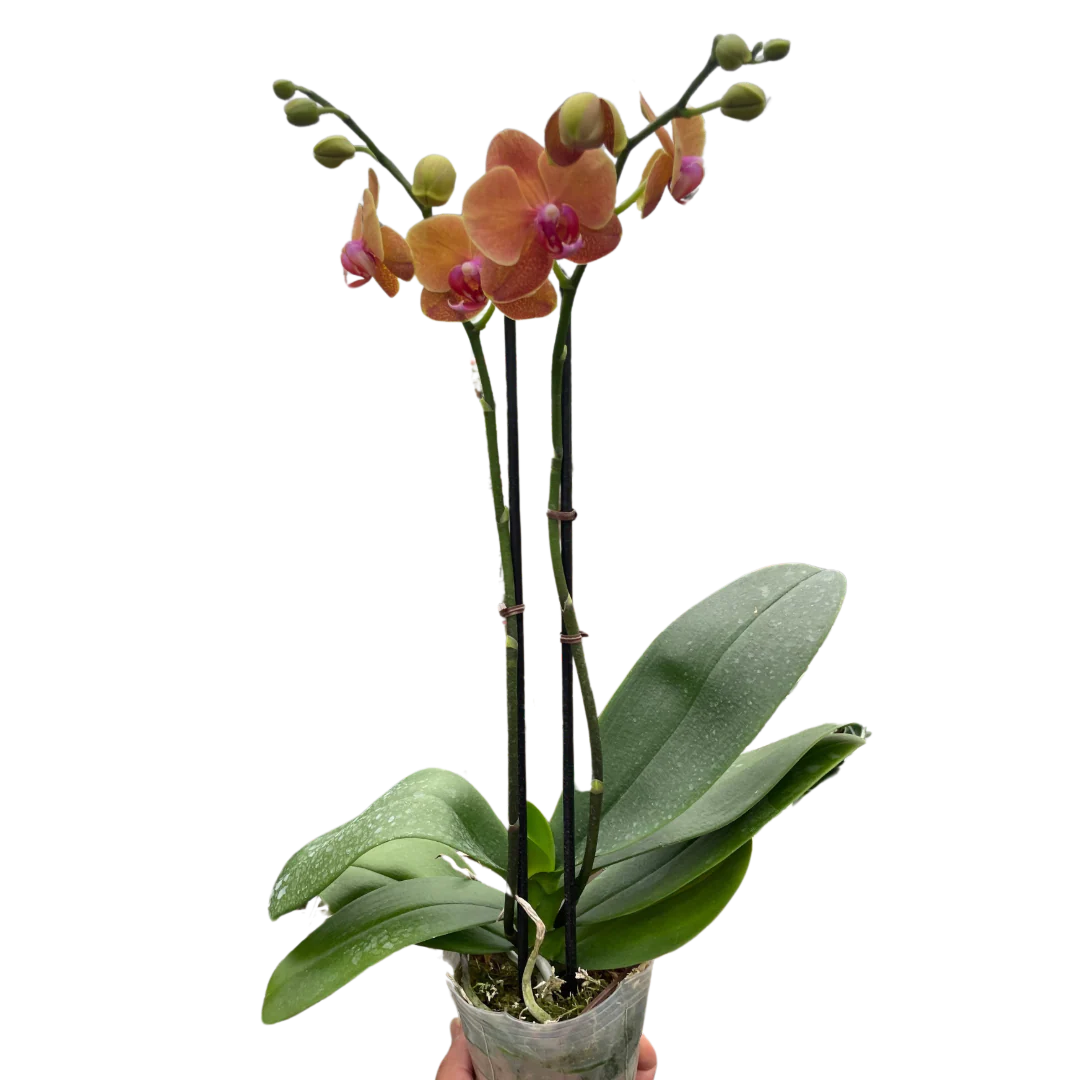
Orange Phalaenopsis Orchid (Moth Orchid) — Curated by H Potter
Curated Indoor Plants — Designed to Pair Beautifully with H Potter
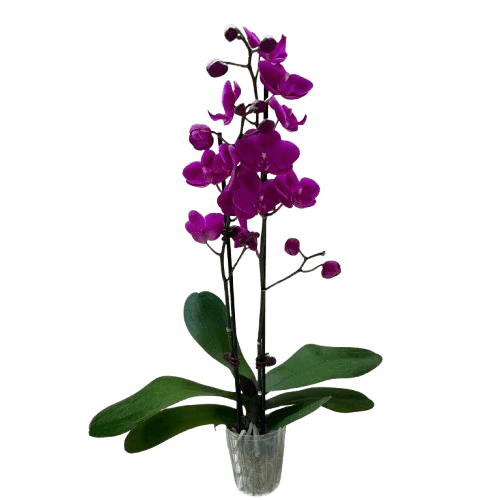
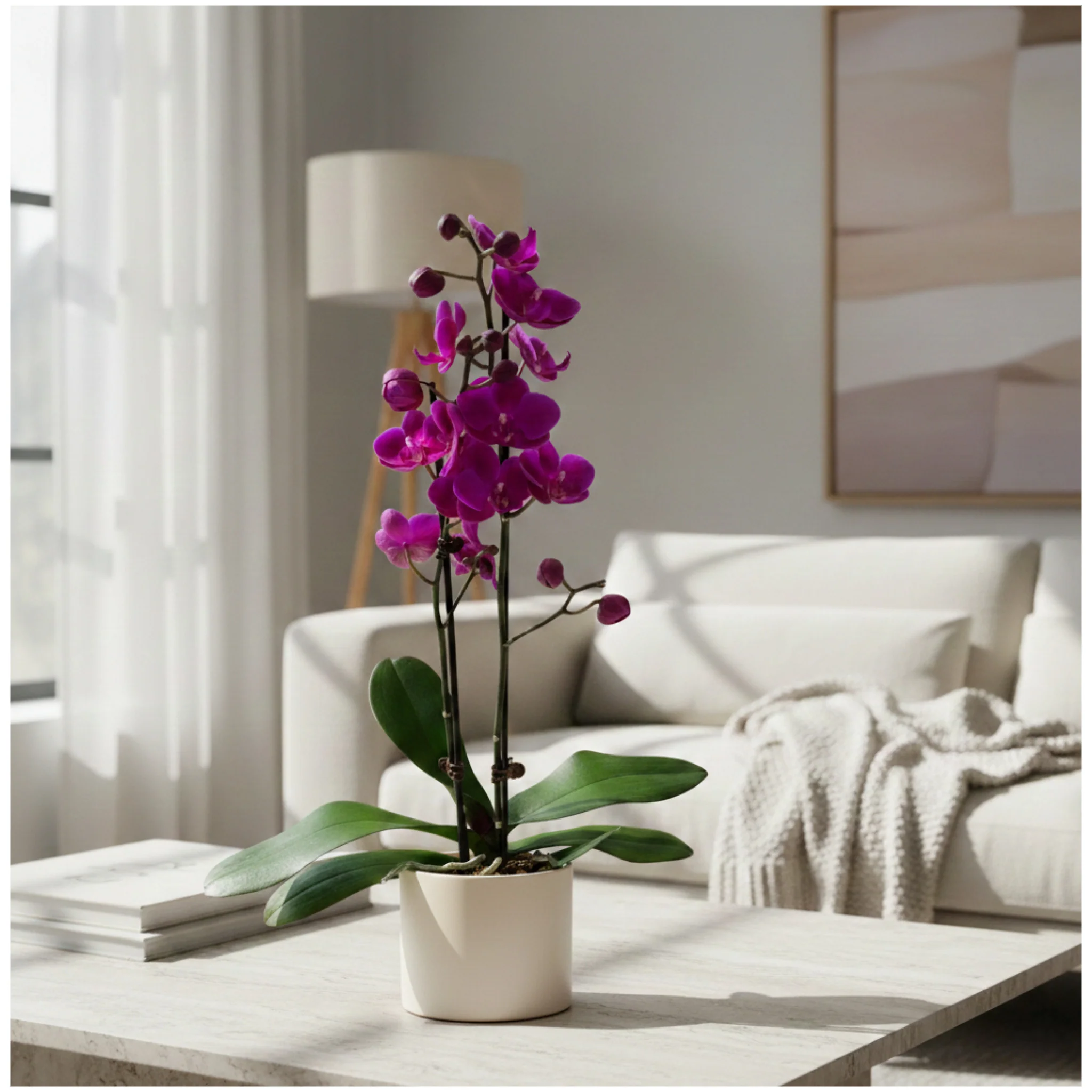
A vibrant Orange Phalaenopsis Orchid with the sculptural, long-lasting bloom display that made “moth orchids” a timeless favorite. With elegant flowering stems and a clean silhouette, this orchid brings a polished, finished look to kitchens, entryways, offices, and living spaces—especially when styled in a beautiful vessel.
Quick Navigation
- At a Glance
- Orchid Care Guide
- 48-Hour Arrival & Unboxing
- Designed to Pair with H Potter
- Shipping & Live Plant Handling
- FAQs
Plant Details
- Botanical name: Phalaenopsis amabilis
- Common names: Moon Orchid, Moth Orchid, The Lovely Phalaenopsis
- Genus overview: Roughly 70 species in the Orchidaceae family
- Growth habit: Monopodial epiphyte or lithophyte (naturally grows on trees or rocks)
- Blooms: Flat, long-lasting flowers on a flowering stem that may branch near the end
- Roots: Long, coarse roots adapted for airy conditions
Care at a Glance
- Light: Bright, indirect light
- Water: When medium approaches dry (often ~weekly; adjust to your home)
- Humidity: Moderate; kitchens/bathrooms are often ideal
- Temp: Typical indoor temps; avoid cold drafts + heat vents
- Difficulty: Beginner-friendly with careful watering
- Long-lasting color: Phalaenopsis blooms are known for holding their beauty for weeks with simple care.
- Refined, modern shape: Short leafy stems + elegant bloom spikes create instant “designer” presence.
- Easy to live with: Bright, indirect light and careful watering go a long way.
- Gift-worthy presence: A single orchid adds a finished, elevated look for gifting and home styling.
Phalaenopsis, sometimes referred to as moth orchids, is a genus of roughly 70 plant species in the Orchidaceae family. These orchids are known for long, coarse roots, short leafy stems, and long-lasting, flat blooms that form on a flowering stem that often branches near the end. In nature, many Phalaenopsis are monopodial epiphytes or lithophytes—meaning they grow on trees or rocks rather than in dense soil.
Light Bright, indirect light
Place near an east window or a few feet back from a sunny window. Avoid harsh midday sun directly on the leaves.
Water Water when the medium approaches dry
Many homes land around weekly, but always adjust for your light, temperature, and humidity. Water thoroughly, then allow excess to drain—do not let the pot sit in standing water.
Humidity Moderate is ideal
If your air is very dry, place the pot on a tray with pebbles and water (keep the pot above the waterline) to increase humidity around the plant.
Temperature Keep it comfortable
Typical indoor temperatures are suitable. Avoid cold drafts and hot air vents—both can shorten blooms and stress the plant.
Live plants can look a little travel-worn after shipping. A quick reset helps them recover and bloom beautifully.
| When | What to Do | Why It Helps |
|---|---|---|
| Immediately | Unbox promptly. Remove packing materials gently around blooms and spikes. | Prevents bruising and lets the plant breathe. |
| First 2–6 hours | Place in bright, indirect light. Avoid direct sun the first day. | Reduces stress while it acclimates. |
| First 24 hours | Check the medium. If it’s still moist, wait before watering. | Avoids the #1 cause of orchid decline: overwatering. |
| Within 48 hours | Water only if the medium is approaching dry. Let it drain fully. | Supports recovery without suffocating roots. |
We’re building a curated plant collection intended to pair beautifully with H Potter vessels—especially statement planters and our iconic terrarium designs. This orchid is a standout for clean indoor styling and elevated gifting.
- Shop indoor planters sized for orchids
- Explore H Potter terrariums and Wardian cases
- Read indoor plant styling & care tips from H Potter
Live plants are packed with care and ship on a schedule designed to protect plant health in transit. Here’s what our packing process looks like—from soil protection to final presentation—so your plant arrives clean, stable, and ready to enjoy.
We use wood fiber to cover our soil to help prevent soil spillage.
The wood fiber is placed over the soil, right under the foliage.
We then use a plastic bag to cover the planter and wood fiber portion of the plant.
Next we secure it tightly with a zip-tie.
We place the houseplant in a paper bag and secure it with a rubber band.
The paper bag provides a clean presentation and added protection.
- Shipping regions: We ship within the lower 48 United States.
- Weather considerations: Shipments may be delayed when the team determines conditions are too cold for plants to arrive safely.
- Delivery timing: Tracking will be provided so you can track your package while it travels.
- Live arrival policy: If a plant does not have a safe arrival, please text images to 208-640-4206 along with your name and order number.
Bring home an orchid that feels instantly elevated.
Pair it with a refined vessel and bright, indirect light—and enjoy long-lasting blooms with minimal effort.
Shop Indoor Planters Explore Terrariums
Is this orchid good for beginners?
Yes—Phalaenopsis orchids are among the most beginner-friendly orchids when given bright, indirect light and careful watering.
How often should I water a Phalaenopsis orchid?
Water when the medium approaches dry. Many homes land around weekly, but light, temperature, and humidity can change the schedule.
Where should I place my orchid indoors?
Choose a bright spot with indirect light—near an east window or a few feet back from a sunny window often works well.
Will it bloom again?
With consistent care, many Phalaenopsis orchids rebloom. After flowering, follow standard orchid care practices and be patient as it cycles.
Is it safe around pets?
If you have pets or small children, we recommend placing plants out of reach. If you need pet-specific guidance, consult a veterinary resource for your household.
Is the plant exactly the same as the photos?
Live plants vary naturally. Size, bloom count, and color tone can differ slightly—part of what makes each plant unique.
Original: $47.50
-65%$47.50
$16.62Product Information
Product Information
Shipping & Returns
Shipping & Returns
Description
Curated Indoor Plants — Designed to Pair Beautifully with H Potter
A vibrant Orange Phalaenopsis Orchid with the sculptural, long-lasting bloom display that made “moth orchids” a timeless favorite. With elegant flowering stems and a clean silhouette, this orchid brings a polished, finished look to kitchens, entryways, offices, and living spaces—especially when styled in a beautiful vessel.
Quick Navigation
- At a Glance
- Orchid Care Guide
- 48-Hour Arrival & Unboxing
- Designed to Pair with H Potter
- Shipping & Live Plant Handling
- FAQs
Plant Details
- Botanical name: Phalaenopsis amabilis
- Common names: Moon Orchid, Moth Orchid, The Lovely Phalaenopsis
- Genus overview: Roughly 70 species in the Orchidaceae family
- Growth habit: Monopodial epiphyte or lithophyte (naturally grows on trees or rocks)
- Blooms: Flat, long-lasting flowers on a flowering stem that may branch near the end
- Roots: Long, coarse roots adapted for airy conditions
Care at a Glance
- Light: Bright, indirect light
- Water: When medium approaches dry (often ~weekly; adjust to your home)
- Humidity: Moderate; kitchens/bathrooms are often ideal
- Temp: Typical indoor temps; avoid cold drafts + heat vents
- Difficulty: Beginner-friendly with careful watering
- Long-lasting color: Phalaenopsis blooms are known for holding their beauty for weeks with simple care.
- Refined, modern shape: Short leafy stems + elegant bloom spikes create instant “designer” presence.
- Easy to live with: Bright, indirect light and careful watering go a long way.
- Gift-worthy presence: A single orchid adds a finished, elevated look for gifting and home styling.
Phalaenopsis, sometimes referred to as moth orchids, is a genus of roughly 70 plant species in the Orchidaceae family. These orchids are known for long, coarse roots, short leafy stems, and long-lasting, flat blooms that form on a flowering stem that often branches near the end. In nature, many Phalaenopsis are monopodial epiphytes or lithophytes—meaning they grow on trees or rocks rather than in dense soil.
Light Bright, indirect light
Place near an east window or a few feet back from a sunny window. Avoid harsh midday sun directly on the leaves.
Water Water when the medium approaches dry
Many homes land around weekly, but always adjust for your light, temperature, and humidity. Water thoroughly, then allow excess to drain—do not let the pot sit in standing water.
Humidity Moderate is ideal
If your air is very dry, place the pot on a tray with pebbles and water (keep the pot above the waterline) to increase humidity around the plant.
Temperature Keep it comfortable
Typical indoor temperatures are suitable. Avoid cold drafts and hot air vents—both can shorten blooms and stress the plant.
Live plants can look a little travel-worn after shipping. A quick reset helps them recover and bloom beautifully.
| When | What to Do | Why It Helps |
|---|---|---|
| Immediately | Unbox promptly. Remove packing materials gently around blooms and spikes. | Prevents bruising and lets the plant breathe. |
| First 2–6 hours | Place in bright, indirect light. Avoid direct sun the first day. | Reduces stress while it acclimates. |
| First 24 hours | Check the medium. If it’s still moist, wait before watering. | Avoids the #1 cause of orchid decline: overwatering. |
| Within 48 hours | Water only if the medium is approaching dry. Let it drain fully. | Supports recovery without suffocating roots. |
We’re building a curated plant collection intended to pair beautifully with H Potter vessels—especially statement planters and our iconic terrarium designs. This orchid is a standout for clean indoor styling and elevated gifting.
- Shop indoor planters sized for orchids
- Explore H Potter terrariums and Wardian cases
- Read indoor plant styling & care tips from H Potter
Live plants are packed with care and ship on a schedule designed to protect plant health in transit. Here’s what our packing process looks like—from soil protection to final presentation—so your plant arrives clean, stable, and ready to enjoy.
We use wood fiber to cover our soil to help prevent soil spillage.
The wood fiber is placed over the soil, right under the foliage.
We then use a plastic bag to cover the planter and wood fiber portion of the plant.
Next we secure it tightly with a zip-tie.
We place the houseplant in a paper bag and secure it with a rubber band.
The paper bag provides a clean presentation and added protection.
- Shipping regions: We ship within the lower 48 United States.
- Weather considerations: Shipments may be delayed when the team determines conditions are too cold for plants to arrive safely.
- Delivery timing: Tracking will be provided so you can track your package while it travels.
- Live arrival policy: If a plant does not have a safe arrival, please text images to 208-640-4206 along with your name and order number.
Bring home an orchid that feels instantly elevated.
Pair it with a refined vessel and bright, indirect light—and enjoy long-lasting blooms with minimal effort.
Shop Indoor Planters Explore Terrariums
Is this orchid good for beginners?
Yes—Phalaenopsis orchids are among the most beginner-friendly orchids when given bright, indirect light and careful watering.
How often should I water a Phalaenopsis orchid?
Water when the medium approaches dry. Many homes land around weekly, but light, temperature, and humidity can change the schedule.
Where should I place my orchid indoors?
Choose a bright spot with indirect light—near an east window or a few feet back from a sunny window often works well.
Will it bloom again?
With consistent care, many Phalaenopsis orchids rebloom. After flowering, follow standard orchid care practices and be patient as it cycles.
Is it safe around pets?
If you have pets or small children, we recommend placing plants out of reach. If you need pet-specific guidance, consult a veterinary resource for your household.
Is the plant exactly the same as the photos?
Live plants vary naturally. Size, bloom count, and color tone can differ slightly—part of what makes each plant unique.